
What Are Spanish People Like? Everyday Customs and Ways to Connect
What are Spanish people like? There is no single answer for everyone. On holiday, however, you can get to know customs that help with everyday encounters: greeting someone in a shop, sharing a meal or adjusting to a different dinner time. On the Costa Blanca, leave room for these small moments alongside the beach and sightseeing. They can bring you closer to the place you are visiting.
Get to know the people you actually meet
The image of a constantly cheerful, talkative Spaniard is too narrow. One person may enjoy starting a conversation; another needs to finish their work. Personality, setting and circumstances all matter. Approach encounters with curiosity rather than judging the country from a single restaurant visit.
Instead of asking whether everyone behaves the same way, notice what suits the person in front of you. A friendly greeting makes a useful start; conversation can follow naturally.
How do people greet each other in Spain?
You may encounter two cheek kisses among acquaintances and handshakes in more formal settings. At a first meeting, begin with a spoken greeting and let the other person indicate what feels comfortable.
Try a simple “hola” or “buenos días” in a café, shop or when meeting a neighbour. You do not need a long conversation or perfect Spanish. A greeting, a polite request and a thank-you will help in many everyday situations.
Shared meals and time to talk
Tapas with friends and conversation over coffee after a meal are part of Spain's social customs. You may also hear sobremesa, meaning time spent at the table after eating.
Try planning a lunch without another activity immediately afterwards. Put your phone away, share a few dishes and leave time for conversation. If the restaurant is busy or has timed bookings, ask how long you can keep the table.
A different daily rhythm: check local hours
Lunch and dinner in Spain are often later than some visitors expect. Smaller shops may close for an afternoon break. That does not mean everyone sleeps after lunch or that every business closes.
Check the specific venue's hours before shopping, sightseeing or dining. When travelling with children, keep a snack handy and choose a restaurant according to its kitchen hours. A different routine can be enjoyable when you are not adjusting to it hungry and rushed.
A few Spanish phrases for your holiday
| Spanish | English |
|---|---|
| Hola | Hello |
| Buenos días | Good morning |
| Por favor | Please |
| Gracias | Thank you |
| ¿Habla inglés? | Do you speak English? |
| No entiendo | I do not understand |
Do not automatically assume everyone speaks English. Ask first and use a translation tool if necessary. Spain also has regional languages alongside Spanish, including Valencian in the Valencian Community. Taking care with local names and languages is part of being an attentive visitor.
Discovering everyday life on the Costa Blanca
Leave time for ordinary activities during an Orihuela Costa stay. Visit a café, explore the neighbourhood and shop for a dinner you can prepare yourself. Ask specific questions when seeking suggestions: what to try, where to walk or when a venue opens.
Keep agreed appointments, follow accommodation rules and respect quiet hours in the neighbourhood. A relaxed holiday atmosphere goes hand in hand with consideration for those who live and work here.
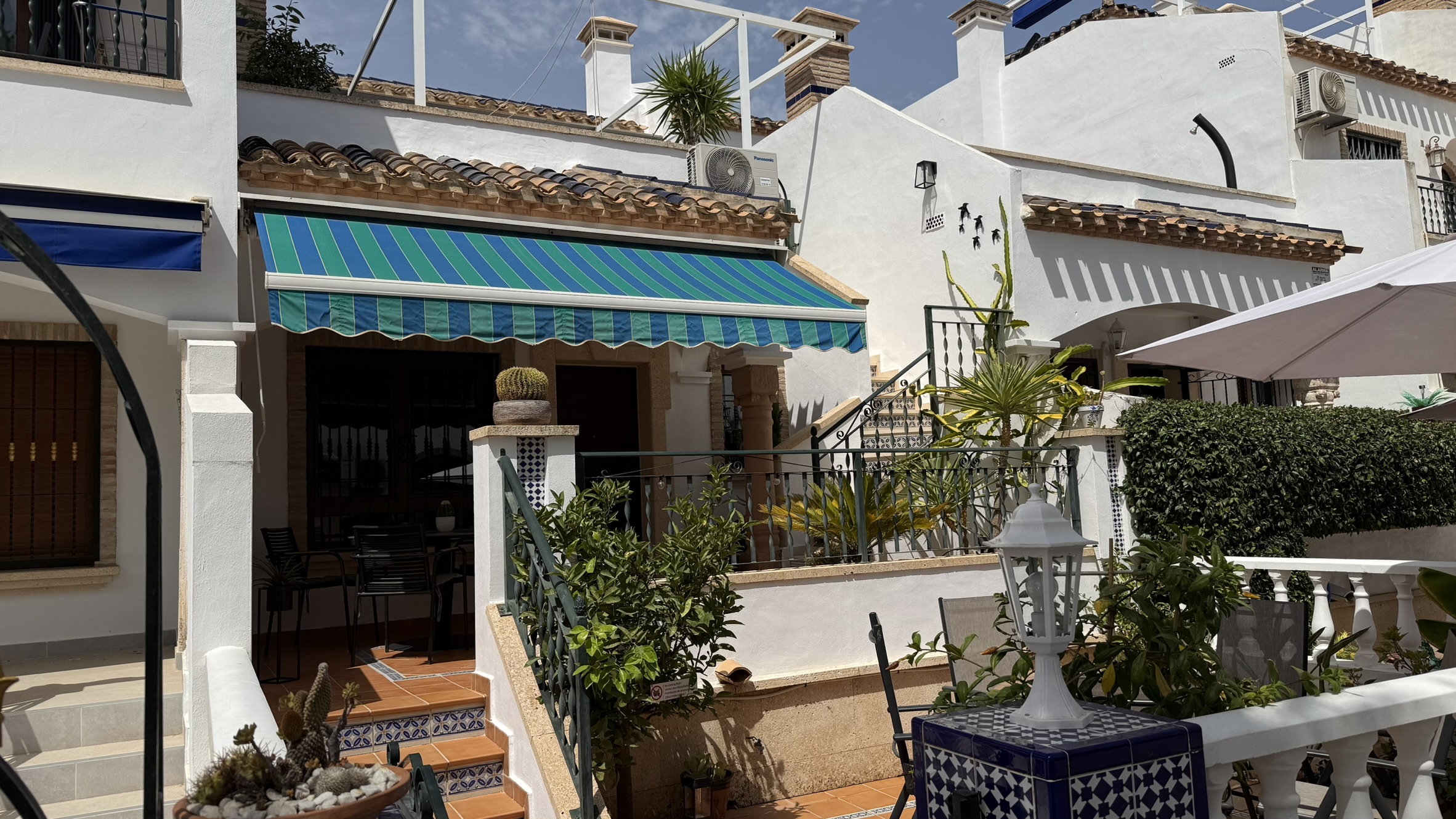
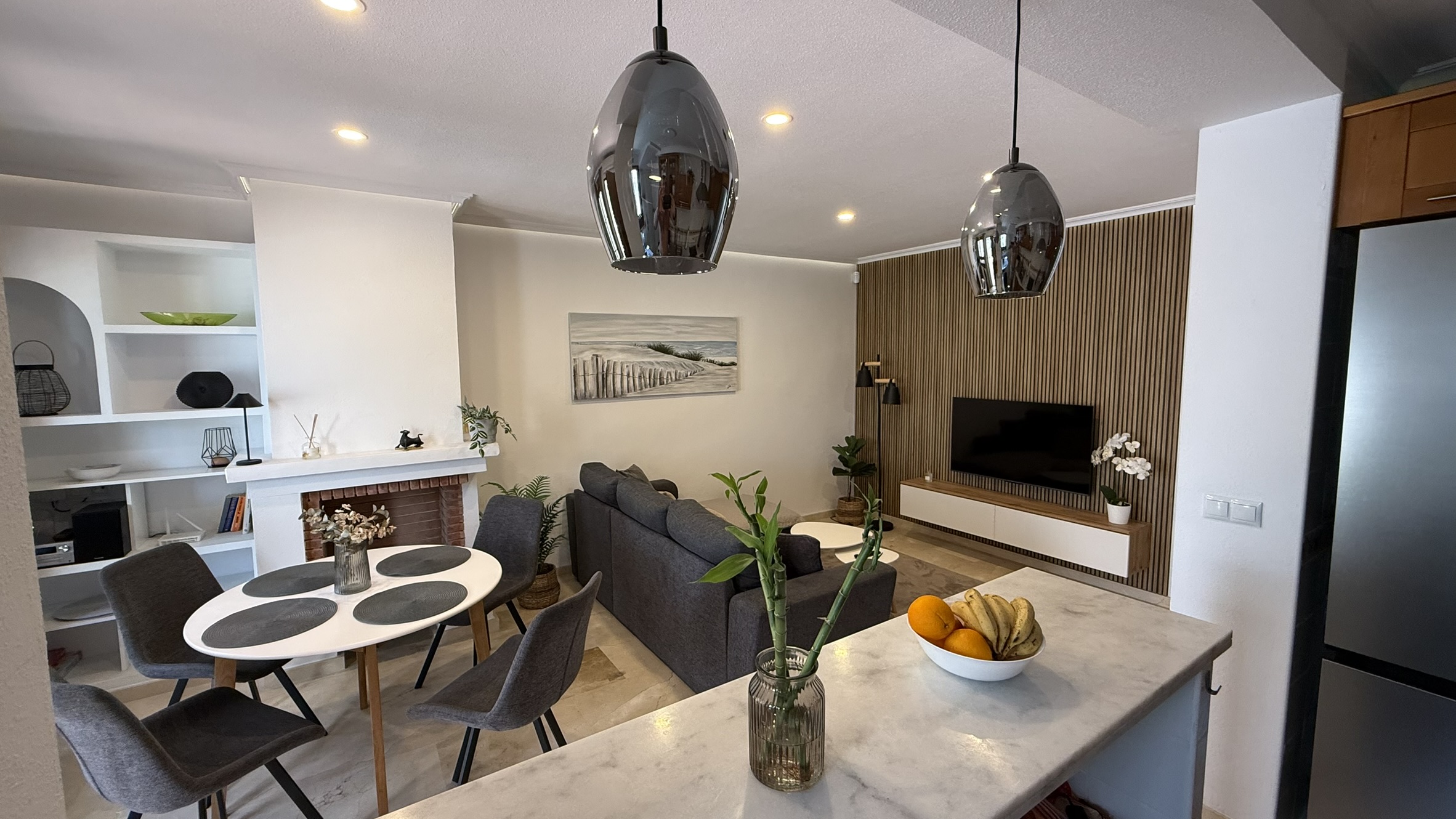
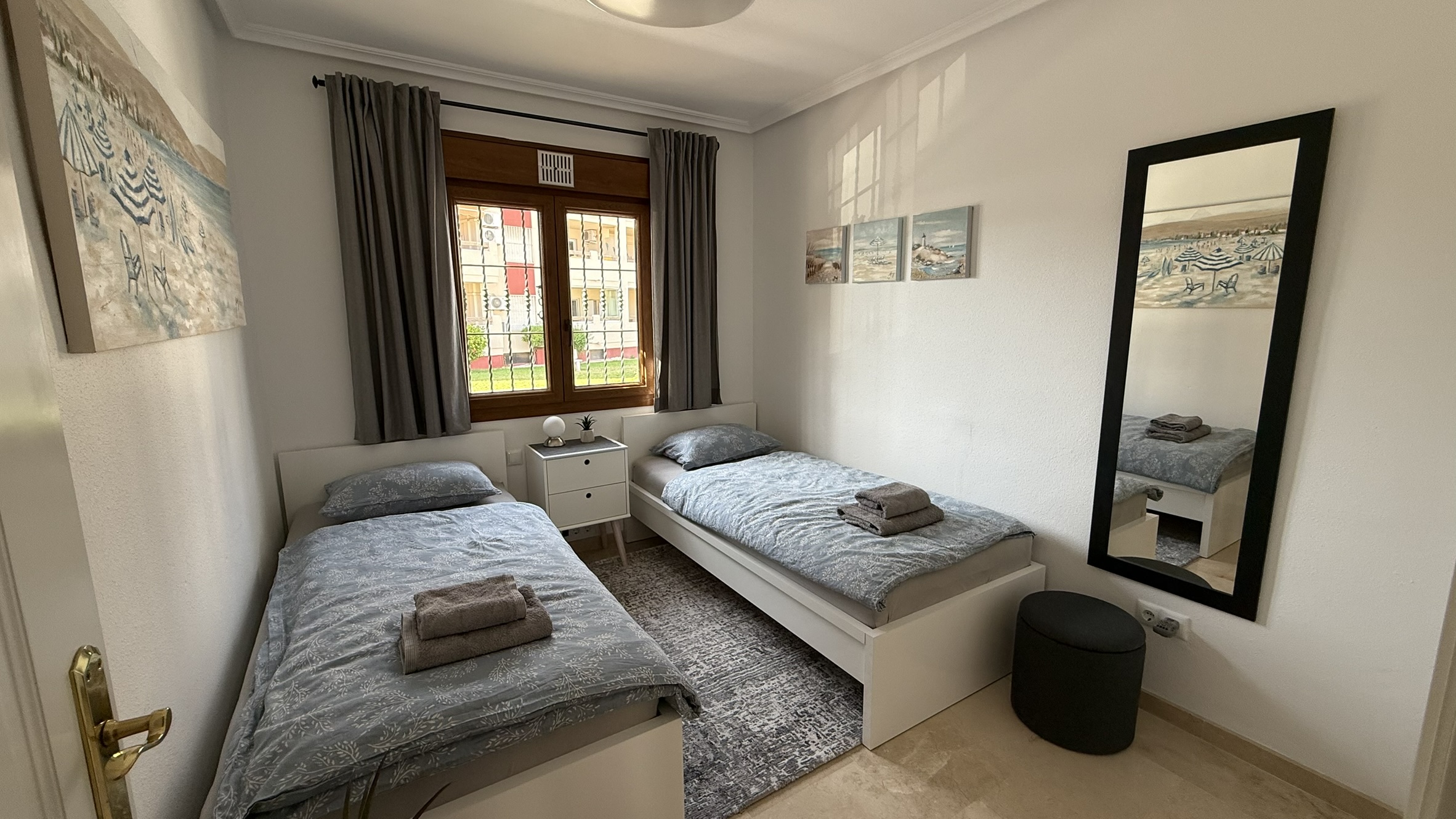
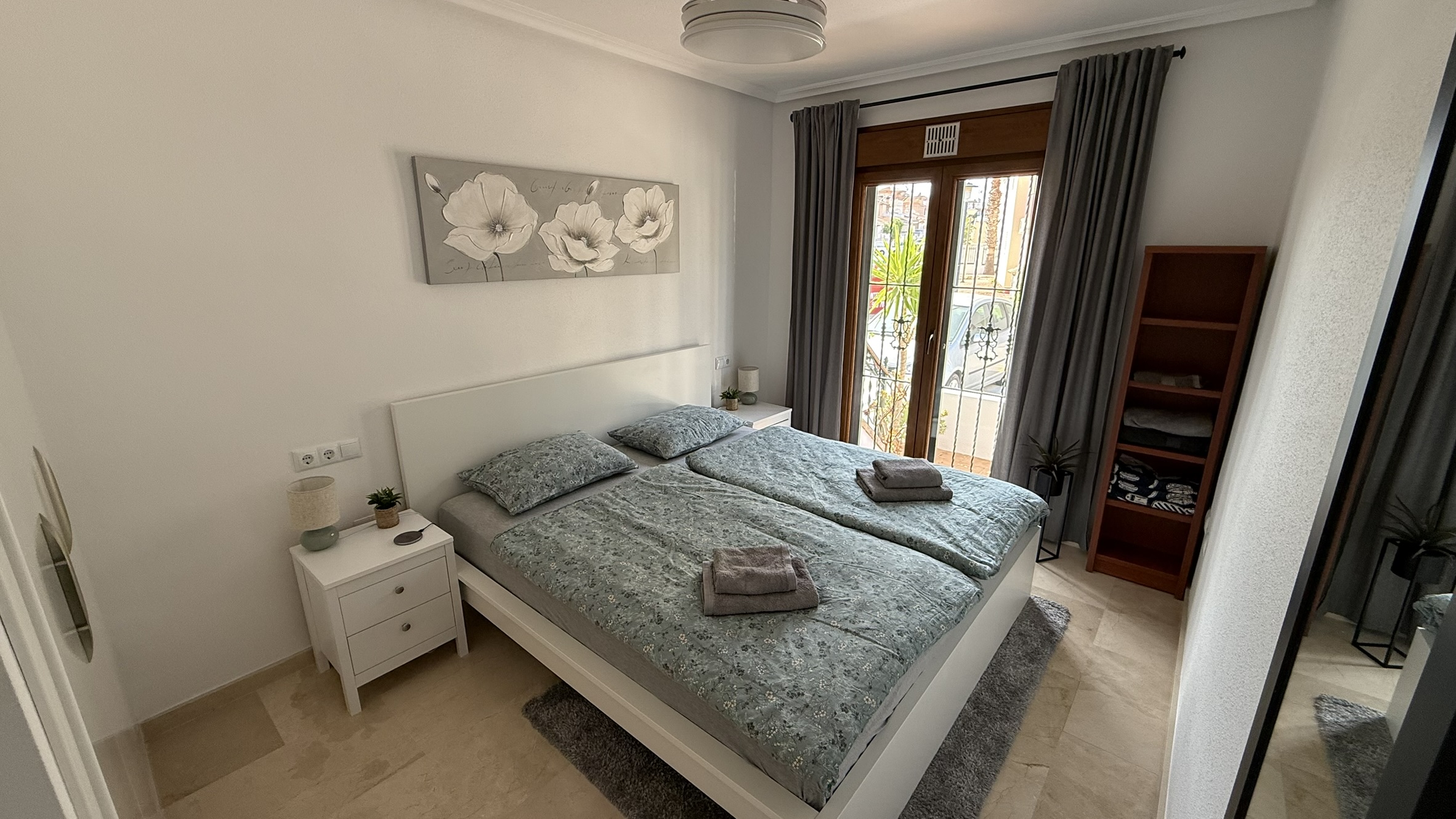
Discover the Costa Blanca beyond the beach. Explore our holiday home in Orihuela Costa and plan a stay with time for local flavours, outings and everyday encounters.
Check availability and book your stay
Frequently asked questions
Are all Spanish people outgoing?
No. Customs offer context, but they do not reveal an individual's personality. Pay attention to the situation and the other person's response.
Do I have to greet people with cheek kisses?
No. Start with a spoken greeting and choose an approach that suits both people.
Does the whole town close for siesta?
No. Hours vary by place and business. Check current opening times.